Buy chouxiang.net ?
We are moving the project
chouxiang.net .
Are you interested in purchasing the domain
chouxiang.net ?
domain@kv-gmbh.de · 0541-91531010
Buy chouxiang.net ?
Is the word Chef or Direktor a loanword?
The word "Chef" is a loanword, as it comes from the French language where it means "chief" or "boss." It has been borrowed into English to refer to the head cook or executive chef in a kitchen. On the other hand, "Direktor" is not a loanword, as it is a German word that means "director" or "manager." Loanwords are words borrowed from another language and incorporated into the vocabulary of another language, while "Direktor" is a native German word. **
What is the difference between loanword and loan meaning?
A loanword is a word taken from one language and used in another language with little to no translation, while a loan meaning is when a word in one language adopts a new meaning from another language. Loanwords retain their original form, while loan meanings involve a shift in the meaning of a word. Both loanwords and loan meanings contribute to the enrichment and evolution of languages through cultural exchange and borrowing. **


Similar search terms for Loanword
Top-Angebote
Products related to Loanword:
-
Uplifted Goods Minimalist Personalized DIY Artistic Wall Clock goldTransform your living space with this high quality DIY minimalist wall clock. It is made from high quality, durable materials that provide a stable and silent movement for your home or office. Whether you are creating a custom focal point for your...139,97 $*Shipping: 0,00 $Secure redirect to the provider
-
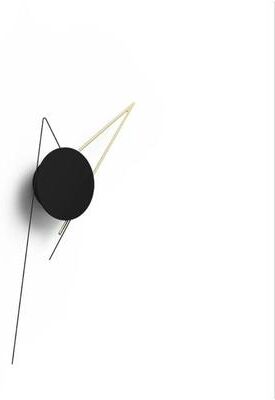
Uplift Essentials Luxury Geometric Large Wall Clock Modern Abstract Wall Art & Gold Timepiece Luxury Geometric Large Wall Clock Modern Abstract Wall Art & Gold TimepieceRedefine your homes focal point with the breathtaking elegance of our Luxury Large Wall Clock. Merging the precision of a highend timepiece with the presence of a modern wall art installation, this creative sunburst design features radiating golden...67,97 $*Shipping: 0,00 $Secure redirect to the provider



-
What is a loanword and what is a long vowel?
A loanword is a word adopted from one language and incorporated into another language without translation. Loanwords often retain their original spelling and pronunciation. On the other hand, a long vowel is a vowel sound that is pronounced for an extended period of time compared to a short vowel. In English, long vowels are typically represented by a single vowel letter followed by a silent 'e' at the end of a word, such as in the word "cake." **
-
What is the difference between a foreign word and a loanword?
A foreign word is a word that comes from another language and is used in its original form without any adaptation or integration into the receiving language. A loanword, on the other hand, is a word that has been borrowed from another language and has been integrated into the receiving language, often with some modifications to fit the phonological, morphological, or syntactic patterns of the receiving language. In other words, a loanword is a foreign word that has been assimilated into the vocabulary of the receiving language. **
-
What is the difference between a loanword and a technical term?
A loanword is a word that has been borrowed from one language and incorporated into another language, often with some adaptation to fit the phonological and morphological patterns of the borrowing language. Loanwords often retain their original meaning and may be used in a variety of contexts. On the other hand, a technical term is a word or phrase that has a specific meaning within a particular field or discipline, such as science, technology, or medicine. Technical terms are often used to convey precise and specialized information within a specific context, and may not be widely understood outside of that context. While loanwords can come from any language and be used in a variety of contexts, technical terms are specific to certain fields and are used to convey specialized meanings within those fields. **
-
Does the word "Delusion" exist as a German loanword or only "Illusion"?
The word "Delusion" does exist as a German loanword, but it is not as commonly used as "Illusion." "Delusion" in German is "Täuschung," which can also be translated as "deception" or "misconception." While "Illusion" is more commonly used in both English and German, "Delusion" is still recognized as a loanword in the German language. **


Are contemporary plays modern?
Contemporary plays can be considered modern in the sense that they reflect current societal issues, values, and cultural norms. They often incorporate modern technology, language, and themes that are relevant to today's audience. However, the term "modern" can also refer to a specific historical period in theater, typically the late 19th and early 20th centuries, so in that sense, contemporary plays may not be considered modern. Overall, the classification of contemporary plays as modern depends on the context and definition being used. **
What is the difference between a loanword, a foreign word, and a native word?
A loanword is a word taken from one language and used in another language with little to no translation. A foreign word is a word that originates from a different language but has been fully integrated into the vocabulary of the borrowing language. A native word is a word that is original to and commonly used in the language in which it is spoken. The key difference lies in the origin and level of integration of these words into the borrowing language. **
Top-Angebote
Products related to Loanword:
-
Uplifted Finds Nordic Minimalist Bird Sculpture Modern Resin Desk Ornament & Artistic Home Decor bf70611Embrace the elegance of contemporary design with our Nordic Style Minimalist Bird Sculpture. This sophisticated resin craft artwork is a masterclass in silhouette and form, designed to bring a serene, avantgarde aesthetic to your office, living...76,97 $*Shipping: 0,00 $Secure redirect to the provider
-
Livabliss Artistic Weavers Konark Geometric Candlestick Ceramic VaseThis terracotta dark rust colored vase offers a unique angular take on a standard cylindrical vase. The perfect addition for any home, these pieces will add eclectic charm to any room! Made in China with ceramic.24,99 $*Shipping: 0,00 $Secure redirect to the provider
-
Uplifted Goods Minimalist Personalized DIY Artistic Wall Clock goldTransform your living space with this high quality DIY minimalist wall clock. It is made from high quality, durable materials that provide a stable and silent movement for your home or office. Whether you are creating a custom focal point for your...139,97 $*Shipping: 0,00 $Secure redirect to the provider
-
Is the word Chef or Direktor a loanword?
The word "Chef" is a loanword, as it comes from the French language where it means "chief" or "boss." It has been borrowed into English to refer to the head cook or executive chef in a kitchen. On the other hand, "Direktor" is not a loanword, as it is a German word that means "director" or "manager." Loanwords are words borrowed from another language and incorporated into the vocabulary of another language, while "Direktor" is a native German word. **
-
What is the difference between loanword and loan meaning?
A loanword is a word taken from one language and used in another language with little to no translation, while a loan meaning is when a word in one language adopts a new meaning from another language. Loanwords retain their original form, while loan meanings involve a shift in the meaning of a word. Both loanwords and loan meanings contribute to the enrichment and evolution of languages through cultural exchange and borrowing. **
-
What is a loanword and what is a long vowel?
A loanword is a word adopted from one language and incorporated into another language without translation. Loanwords often retain their original spelling and pronunciation. On the other hand, a long vowel is a vowel sound that is pronounced for an extended period of time compared to a short vowel. In English, long vowels are typically represented by a single vowel letter followed by a silent 'e' at the end of a word, such as in the word "cake." **
-
What is the difference between a foreign word and a loanword?
A foreign word is a word that comes from another language and is used in its original form without any adaptation or integration into the receiving language. A loanword, on the other hand, is a word that has been borrowed from another language and has been integrated into the receiving language, often with some modifications to fit the phonological, morphological, or syntactic patterns of the receiving language. In other words, a loanword is a foreign word that has been assimilated into the vocabulary of the receiving language. **
Similar search terms for Loanword
-
Uplift Essentials Luxury Geometric Large Wall Clock Modern Abstract Wall Art & Gold Timepiece Luxury Geometric Large Wall Clock Modern Abstract Wall Art & Gold TimepieceRedefine your homes focal point with the breathtaking elegance of our Luxury Large Wall Clock. Merging the precision of a highend timepiece with the presence of a modern wall art installation, this creative sunburst design features radiating golden...67,97 $*Shipping: 0,00 $Secure redirect to the provider
-
Uplifted Finds Nordic Minimalist Bird Sculpture Modern Resin Desk Ornament & Artistic Home Decor bf70610Embrace the elegance of contemporary design with our Nordic Style Minimalist Bird Sculpture. This sophisticated resin craft artwork is a masterclass in silhouette and form, designed to bring a serene, avantgarde aesthetic to your office, living...76,97 $*Shipping: 0,00 $Secure redirect to the provider
-
Uplifted Finds Nordic Minimalist Bird Sculpture Modern Resin Desk Ornament & Artistic Home Decor bf70617Embrace the elegance of contemporary design with our Nordic Style Minimalist Bird Sculpture. This sophisticated resin craft artwork is a masterclass in silhouette and form, designed to bring a serene, avantgarde aesthetic to your office, living...76,97 $*Shipping: 0,00 $Secure redirect to the provider
-
What is the difference between a loanword and a technical term?
A loanword is a word that has been borrowed from one language and incorporated into another language, often with some adaptation to fit the phonological and morphological patterns of the borrowing language. Loanwords often retain their original meaning and may be used in a variety of contexts. On the other hand, a technical term is a word or phrase that has a specific meaning within a particular field or discipline, such as science, technology, or medicine. Technical terms are often used to convey precise and specialized information within a specific context, and may not be widely understood outside of that context. While loanwords can come from any language and be used in a variety of contexts, technical terms are specific to certain fields and are used to convey specialized meanings within those fields. **
-
Does the word "Delusion" exist as a German loanword or only "Illusion"?
The word "Delusion" does exist as a German loanword, but it is not as commonly used as "Illusion." "Delusion" in German is "Täuschung," which can also be translated as "deception" or "misconception." While "Illusion" is more commonly used in both English and German, "Delusion" is still recognized as a loanword in the German language. **
-
Are contemporary plays modern?
Contemporary plays can be considered modern in the sense that they reflect current societal issues, values, and cultural norms. They often incorporate modern technology, language, and themes that are relevant to today's audience. However, the term "modern" can also refer to a specific historical period in theater, typically the late 19th and early 20th centuries, so in that sense, contemporary plays may not be considered modern. Overall, the classification of contemporary plays as modern depends on the context and definition being used. **
-
What is the difference between a loanword, a foreign word, and a native word?
A loanword is a word taken from one language and used in another language with little to no translation. A foreign word is a word that originates from a different language but has been fully integrated into the vocabulary of the borrowing language. A native word is a word that is original to and commonly used in the language in which it is spoken. The key difference lies in the origin and level of integration of these words into the borrowing language. **
* All prices are inclusive of VAT and, if applicable, plus shipping costs. The offer information is based on the details provided by the respective shop and is updated through automated processes. Real-time updates do not occur, so deviations can occur in individual cases. ** Note: Parts of this content were created by AI.