Buy chouxiang.net ?
We are moving the project
chouxiang.net .
Are you interested in purchasing the domain
chouxiang.net ?
domain@kv-gmbh.de · 0541-91531010
Buy chouxiang.net ?
What is depreciation?
Depreciation is the decrease in value of an asset over time due to wear and tear, obsolescence, or other factors. It is a method used in accounting to allocate the cost of an asset over its useful life. By recognizing depreciation expenses, a company can accurately reflect the decrease in value of its assets on its financial statements. Depreciation is important for businesses to properly account for the decrease in value of their assets and to accurately report their financial performance. **
What is the difference between calculated depreciation and accounting depreciation?
Calculated depreciation refers to the estimated reduction in the value of an asset over time, typically based on its useful life and salvage value. Accounting depreciation, on the other hand, is the systematic allocation of the cost of an asset to its useful life in the company's financial statements, following specific accounting rules and standards. While calculated depreciation is more of an estimation, accounting depreciation is a formal recognition of the reduction in the asset's value on the company's books. **

Similar search terms for Depreciation
Top-Angebote
Products related to Depreciation:
-
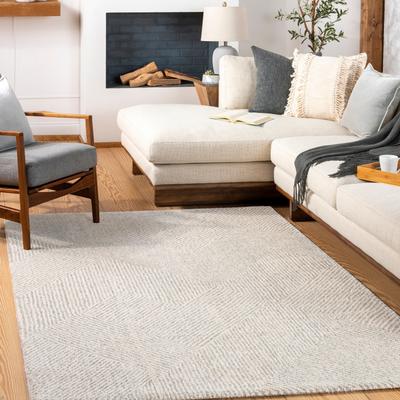
Livabliss Artistic Weavers Twinkle Modern Geometric Area RugGrooved textures sprawl all over the Twinkle Area Rug to form a stylish geometric pattern on a neutral backdrop. The subtle color palette is serene and beautiful, which complements modern, farmhouse, cottage, and casual homes.66,28 $*Shipping: 0,00 $Secure redirect to the provider
-
Livabliss Artistic Weavers Bandra Modern Geometric Area RugThe Bandra Area Rug features a geometric pattern that showcases a modern style with a rustic touch. Machine woven in Turkey, made with 100% polyester for long-wearing performance and good stain resistance.239,99 $*Shipping: 0,00 $Secure redirect to the provider
-
Livabliss Artistic Weavers Kardelen Modern Geometric Area RugA subtle pattern of geometric shapes lends a sophisticated vibe to today's interiors with the Kardelen Area Rug. Neutral hues add softness to a space and make this floor covering a superb choice to counter harsh lines often found in contemporary...48,09 $*Shipping: 0,00 $Secure redirect to the provider
-
Livabliss Artistic Weavers Karanfil Modern Geometric Area RugBring balance and softness to your room with the Karanfil Area Rug. This floor covering's neutral hues and subtle geometric pattern bring a rush of calm to modern homes needing to balance harsher lines often found in contemporary spaces.200,99 $*Shipping: 0,00 $Secure redirect to the provider



-
Why is the calculated depreciation lower than the accounting depreciation?
The calculated depreciation is often lower than the accounting depreciation because it is based on the asset's useful life and salvage value, while accounting depreciation may include additional factors such as tax regulations or management's discretion. Calculated depreciation follows a systematic method like straight-line or reducing balance, whereas accounting depreciation can be influenced by various accounting policies or methods chosen by the company. Additionally, accounting depreciation may consider impairment charges or revaluation of assets, leading to differences in the calculated and accounting depreciation figures. **
-
What are accumulated depreciation?
Accumulated depreciation is the total amount of depreciation expense that has been recorded for a fixed asset since it was acquired. It represents the total decrease in the value of the asset over time due to wear and tear, obsolescence, or other factors. Accumulated depreciation is a contra-asset account, meaning it is subtracted from the original cost of the asset to determine its net book value on the balance sheet. It is important for accurately reflecting the true value of the asset and for calculating depreciation expense for future periods. **
-
What is depreciation and what is meant by a declining balance depreciation?
Depreciation is the gradual decrease in the value of an asset over time due to wear and tear, obsolescence, or other factors. Declining balance depreciation is a method of calculating depreciation where the asset's value decreases by a fixed percentage each year. This method typically results in higher depreciation expenses in the earlier years of an asset's life and lower expenses in later years. **
-
How to calculate the depreciation of a car through straight-line depreciation?
To calculate the depreciation of a car through straight-line depreciation, you first need to determine the initial cost of the car, including any additional costs like taxes or registration fees. Next, estimate the salvage value of the car at the end of its useful life. Then, subtract the salvage value from the initial cost to find the depreciable cost. Finally, divide the depreciable cost by the number of years in the car's useful life to determine the annual depreciation expense. **


How do you calculate the depreciation of a car through straight-line depreciation?
To calculate the depreciation of a car through straight-line depreciation, you would first determine the initial cost of the car. Then, you would subtract the car's estimated salvage value (the amount you expect to sell the car for at the end of its useful life) from the initial cost to find the depreciable cost. Next, you would divide the depreciable cost by the number of years in the car's useful life to find the annual depreciation expense. This annual depreciation expense would be the same for each year of the car's useful life, hence the term "straight-line" depreciation. **
Why is the calculated depreciation lower than the depreciation in the balance sheet?
The calculated depreciation is based on the estimated useful life of the asset and the method used for depreciation, such as straight-line or reducing balance method. It may be lower than the depreciation in the balance sheet if the company has chosen a more conservative approach to depreciation in their financial statements to account for potential fluctuations in the asset's value or to comply with accounting standards. Additionally, the company may have made adjustments for impairment or changes in the asset's useful life that are not reflected in the calculated depreciation. **
Top-Angebote
Products related to Depreciation:
-
Livabliss Artistic Weavers Twinkle Modern Geometric Area RugGrooved textures sprawl all over the Twinkle Area Rug to form a stylish geometric pattern on a neutral backdrop. The subtle color palette is serene and beautiful, which complements modern, farmhouse, cottage, and casual homes.66,28 $*Shipping: 0,00 $Secure redirect to the provider
-
Livabliss Artistic Weavers Bandra Modern Geometric Area RugThe Bandra Area Rug features a geometric pattern that showcases a modern style with a rustic touch. Machine woven in Turkey, made with 100% polyester for long-wearing performance and good stain resistance.239,99 $*Shipping: 0,00 $Secure redirect to the provider
-
What is depreciation?
Depreciation is the decrease in value of an asset over time due to wear and tear, obsolescence, or other factors. It is a method used in accounting to allocate the cost of an asset over its useful life. By recognizing depreciation expenses, a company can accurately reflect the decrease in value of its assets on its financial statements. Depreciation is important for businesses to properly account for the decrease in value of their assets and to accurately report their financial performance. **
-
What is the difference between calculated depreciation and accounting depreciation?
Calculated depreciation refers to the estimated reduction in the value of an asset over time, typically based on its useful life and salvage value. Accounting depreciation, on the other hand, is the systematic allocation of the cost of an asset to its useful life in the company's financial statements, following specific accounting rules and standards. While calculated depreciation is more of an estimation, accounting depreciation is a formal recognition of the reduction in the asset's value on the company's books. **
-
Why is the calculated depreciation lower than the accounting depreciation?
The calculated depreciation is often lower than the accounting depreciation because it is based on the asset's useful life and salvage value, while accounting depreciation may include additional factors such as tax regulations or management's discretion. Calculated depreciation follows a systematic method like straight-line or reducing balance, whereas accounting depreciation can be influenced by various accounting policies or methods chosen by the company. Additionally, accounting depreciation may consider impairment charges or revaluation of assets, leading to differences in the calculated and accounting depreciation figures. **
-
What are accumulated depreciation?
Accumulated depreciation is the total amount of depreciation expense that has been recorded for a fixed asset since it was acquired. It represents the total decrease in the value of the asset over time due to wear and tear, obsolescence, or other factors. Accumulated depreciation is a contra-asset account, meaning it is subtracted from the original cost of the asset to determine its net book value on the balance sheet. It is important for accurately reflecting the true value of the asset and for calculating depreciation expense for future periods. **
Similar search terms for Depreciation
-
Livabliss Artistic Weavers Kardelen Modern Geometric Area RugA subtle pattern of geometric shapes lends a sophisticated vibe to today's interiors with the Kardelen Area Rug. Neutral hues add softness to a space and make this floor covering a superb choice to counter harsh lines often found in contemporary...48,09 $*Shipping: 0,00 $Secure redirect to the provider
-
Livabliss Artistic Weavers Karanfil Modern Geometric Area RugBring balance and softness to your room with the Karanfil Area Rug. This floor covering's neutral hues and subtle geometric pattern bring a rush of calm to modern homes needing to balance harsher lines often found in contemporary spaces.200,99 $*Shipping: 0,00 $Secure redirect to the provider
-
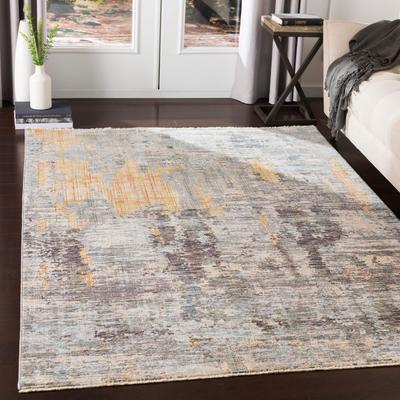
Livabliss Artistic Weavers Dresden Modern Abstract Area RugThis Dresden area rug is the perfect addition to any modern décor. Made of durable Polyester, this medium pile rug is machine-woven in Turkey and designed to withstand high traffic.116,49 $*Shipping: 0,00 $Secure redirect to the provider
-
Livabliss Artistic Weavers Gheorghe Modern Abstract Area RugAnyone looking to add a sophisticated touch to their space will be delighted by the modern art look of the Gheorghe rug. This chic abstract design is enhanced with high-low details, a lustrous sheen, and super soft fabric.91,99 $*Shipping: 0,00 $Secure redirect to the provider
-
What is depreciation and what is meant by a declining balance depreciation?
Depreciation is the gradual decrease in the value of an asset over time due to wear and tear, obsolescence, or other factors. Declining balance depreciation is a method of calculating depreciation where the asset's value decreases by a fixed percentage each year. This method typically results in higher depreciation expenses in the earlier years of an asset's life and lower expenses in later years. **
-
How to calculate the depreciation of a car through straight-line depreciation?
To calculate the depreciation of a car through straight-line depreciation, you first need to determine the initial cost of the car, including any additional costs like taxes or registration fees. Next, estimate the salvage value of the car at the end of its useful life. Then, subtract the salvage value from the initial cost to find the depreciable cost. Finally, divide the depreciable cost by the number of years in the car's useful life to determine the annual depreciation expense. **
-
How do you calculate the depreciation of a car through straight-line depreciation?
To calculate the depreciation of a car through straight-line depreciation, you would first determine the initial cost of the car. Then, you would subtract the car's estimated salvage value (the amount you expect to sell the car for at the end of its useful life) from the initial cost to find the depreciable cost. Next, you would divide the depreciable cost by the number of years in the car's useful life to find the annual depreciation expense. This annual depreciation expense would be the same for each year of the car's useful life, hence the term "straight-line" depreciation. **
-
Why is the calculated depreciation lower than the depreciation in the balance sheet?
The calculated depreciation is based on the estimated useful life of the asset and the method used for depreciation, such as straight-line or reducing balance method. It may be lower than the depreciation in the balance sheet if the company has chosen a more conservative approach to depreciation in their financial statements to account for potential fluctuations in the asset's value or to comply with accounting standards. Additionally, the company may have made adjustments for impairment or changes in the asset's useful life that are not reflected in the calculated depreciation. **
* All prices are inclusive of VAT and, if applicable, plus shipping costs. The offer information is based on the details provided by the respective shop and is updated through automated processes. Real-time updates do not occur, so deviations can occur in individual cases. ** Note: Parts of this content were created by AI.