Buy chouxiang.net ?
We are moving the project
chouxiang.net .
Are you interested in purchasing the domain
chouxiang.net ?
domain@kv-gmbh.de · 0541-91531010
Buy chouxiang.net ?
What is the function of the alveoli?
The function of the alveoli is to facilitate the exchange of oxygen and carbon dioxide between the lungs and the bloodstream. This exchange occurs through the thin walls of the alveoli, allowing oxygen to be absorbed into the bloodstream and carbon dioxide to be released from the bloodstream into the lungs to be exhaled. **
How does gas exchange work in the alveoli?
Gas exchange in the alveoli occurs through a process called diffusion. Oxygen from the inhaled air passes through the thin walls of the alveoli and into the surrounding capillaries, where it binds to hemoglobin in red blood cells. At the same time, carbon dioxide, a waste product of cellular respiration, diffuses from the blood into the alveoli to be exhaled. This exchange of gases is facilitated by the large surface area and thin walls of the alveoli, as well as the close proximity of the alveoli to the capillaries. **

Similar search terms for Alveoli
Top-Angebote
Products related to Alveoli:
-
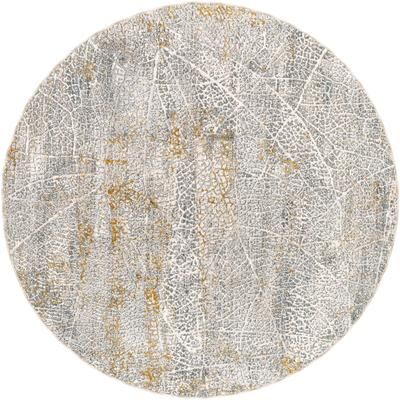
Livabliss Artistic Weavers Gheorghe Modern Abstract Area RugAnyone looking to add a sophisticated touch to their space will be delighted by the modern art look of the Gheorghe rug. This chic abstract design is enhanced with high-low details, a lustrous sheen, and super soft fabric.91,99 $*Shipping: 0,00 $Secure redirect to the provider
-
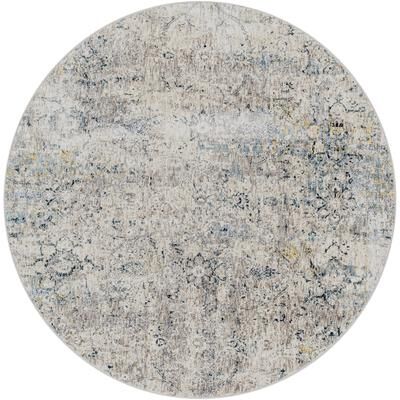
Livabliss Artistic Weavers Thiemo Modern Abstract Area RugModern art and old-world aesthetics combine in the Thiemo rug, a dreamy piece that's easy to get lost in. Vibrant colors and kaleidoscopic design conjure up countless images, like a Renaissance sky or burning film reel.53,99 $*Shipping: 0,00 $Secure redirect to the provider




-
Why does the human have so many alveoli?
Humans have so many alveoli in order to maximize the surface area available for gas exchange in the lungs. The large number of alveoli allows for a greater amount of oxygen to be absorbed into the bloodstream and for carbon dioxide to be released from the bloodstream. This efficient gas exchange is essential for providing oxygen to the body's tissues and removing waste products. The high surface area of the alveoli also helps to maintain the proper balance of gases in the blood. **
-
What anatomical processes promote gas exchange in mammalian alveoli?
Gas exchange in mammalian alveoli is promoted by several anatomical processes. First, the alveoli have a large surface area for gas exchange due to their numerous small sacs. Second, the alveoli are surrounded by a dense network of capillaries, allowing for close proximity between the blood and the air in the alveoli. Third, the alveoli have thin walls, which allows for efficient diffusion of gases between the air in the alveoli and the blood in the capillaries. Finally, the alveoli are lined with a layer of surfactant, which reduces surface tension and prevents the alveoli from collapsing, ensuring efficient gas exchange. **
-
Why does carbon dioxide move from the blood to the lung alveoli and, conversely, oxygen from the lung alveoli to the blood?
Carbon dioxide moves from the blood to the lung alveoli because it is a waste product of cellular respiration and needs to be removed from the body. In the alveoli, it diffuses across the thin membrane and is exhaled out of the body. Conversely, oxygen moves from the lung alveoli to the blood because it is needed for cellular respiration to produce energy. The oxygen diffuses from the alveoli into the blood where it binds to hemoglobin and is transported to the body's tissues. **
-
Is this a good description of gas exchange in the alveoli?
Yes, the description provided is a good overview of gas exchange in the alveoli. It accurately explains how oxygen from inhaled air diffuses across the alveolar membrane into the bloodstream, where it binds to hemoglobin in red blood cells. At the same time, carbon dioxide from the bloodstream diffuses into the alveoli to be exhaled. This process is essential for maintaining the body's oxygen levels and removing carbon dioxide waste. **

What is the principle of the surface area enlargement of lung alveoli?
The principle of surface area enlargement of lung alveoli is to maximize the area available for gas exchange. This is achieved through the branching structure of the respiratory tree, which leads to a large number of alveoli. The thin walls of the alveoli and the network of capillaries surrounding them further increase the surface area available for gas exchange. This large surface area allows for efficient exchange of oxygen and carbon dioxide between the air in the alveoli and the blood in the capillaries. **
Are contemporary plays modern?
Contemporary plays can be considered modern in the sense that they reflect current societal issues, values, and cultural norms. They often incorporate modern technology, language, and themes that are relevant to today's audience. However, the term "modern" can also refer to a specific historical period in theater, typically the late 19th and early 20th centuries, so in that sense, contemporary plays may not be considered modern. Overall, the classification of contemporary plays as modern depends on the context and definition being used. **
Top-Angebote
Products related to Alveoli:
-
Livabliss Artistic Weavers Twinkle Modern Geometric Area RugGrooved textures sprawl all over the Twinkle Area Rug to form a stylish geometric pattern on a neutral backdrop. The subtle color palette is serene and beautiful, which complements modern, farmhouse, cottage, and casual homes.66,28 $*Shipping: 0,00 $Secure redirect to the provider
-
Livabliss Artistic Weavers Dresden Modern Abstract Area RugThis Dresden area rug is the perfect addition to any modern décor. Made of durable Polyester, this medium pile rug is machine-woven in Turkey and designed to withstand high traffic.1450,99 $*Shipping: 0,00 $Secure redirect to the provider
-
Livabliss Artistic Weavers Gheorghe Modern Abstract Area RugAnyone looking to add a sophisticated touch to their space will be delighted by the modern art look of the Gheorghe rug. This chic abstract design is enhanced with high-low details, a lustrous sheen, and super soft fabric.91,99 $*Shipping: 0,00 $Secure redirect to the provider
-
What is the function of the alveoli?
The function of the alveoli is to facilitate the exchange of oxygen and carbon dioxide between the lungs and the bloodstream. This exchange occurs through the thin walls of the alveoli, allowing oxygen to be absorbed into the bloodstream and carbon dioxide to be released from the bloodstream into the lungs to be exhaled. **
-
How does gas exchange work in the alveoli?
Gas exchange in the alveoli occurs through a process called diffusion. Oxygen from the inhaled air passes through the thin walls of the alveoli and into the surrounding capillaries, where it binds to hemoglobin in red blood cells. At the same time, carbon dioxide, a waste product of cellular respiration, diffuses from the blood into the alveoli to be exhaled. This exchange of gases is facilitated by the large surface area and thin walls of the alveoli, as well as the close proximity of the alveoli to the capillaries. **
-
Why does the human have so many alveoli?
Humans have so many alveoli in order to maximize the surface area available for gas exchange in the lungs. The large number of alveoli allows for a greater amount of oxygen to be absorbed into the bloodstream and for carbon dioxide to be released from the bloodstream. This efficient gas exchange is essential for providing oxygen to the body's tissues and removing waste products. The high surface area of the alveoli also helps to maintain the proper balance of gases in the blood. **
-
What anatomical processes promote gas exchange in mammalian alveoli?
Gas exchange in mammalian alveoli is promoted by several anatomical processes. First, the alveoli have a large surface area for gas exchange due to their numerous small sacs. Second, the alveoli are surrounded by a dense network of capillaries, allowing for close proximity between the blood and the air in the alveoli. Third, the alveoli have thin walls, which allows for efficient diffusion of gases between the air in the alveoli and the blood in the capillaries. Finally, the alveoli are lined with a layer of surfactant, which reduces surface tension and prevents the alveoli from collapsing, ensuring efficient gas exchange. **
Similar search terms for Alveoli
-
Livabliss Artistic Weavers Thiemo Modern Abstract Area RugModern art and old-world aesthetics combine in the Thiemo rug, a dreamy piece that's easy to get lost in. Vibrant colors and kaleidoscopic design conjure up countless images, like a Renaissance sky or burning film reel.53,99 $*Shipping: 0,00 $Secure redirect to the provider
-
Livabliss Artistic Weavers Swansea Modern Abstract Area RugThe Swansea rug includes a blend of traditional and modern designs that are machine woven in Turkey of 100% polyester. This self-tasseled rug embodies characteristics that are reminiscent of a well-loved heirloom.204,49 $*Shipping: 0,00 $Secure redirect to the provider
-
Livabliss Artistic Weavers Atrista Modern Abstract Area RugAbstract design adds depth and modern style to the Atrista rug. A warm, slightly monochrome palette makes this piece easy to blend with almost any aesthetic. This rug is perfect for high-traffic spaces like living rooms, offices, and entryways.172,99 $*Shipping: 0,00 $Secure redirect to the provider
-
Why does carbon dioxide move from the blood to the lung alveoli and, conversely, oxygen from the lung alveoli to the blood?
Carbon dioxide moves from the blood to the lung alveoli because it is a waste product of cellular respiration and needs to be removed from the body. In the alveoli, it diffuses across the thin membrane and is exhaled out of the body. Conversely, oxygen moves from the lung alveoli to the blood because it is needed for cellular respiration to produce energy. The oxygen diffuses from the alveoli into the blood where it binds to hemoglobin and is transported to the body's tissues. **
-
Is this a good description of gas exchange in the alveoli?
Yes, the description provided is a good overview of gas exchange in the alveoli. It accurately explains how oxygen from inhaled air diffuses across the alveolar membrane into the bloodstream, where it binds to hemoglobin in red blood cells. At the same time, carbon dioxide from the bloodstream diffuses into the alveoli to be exhaled. This process is essential for maintaining the body's oxygen levels and removing carbon dioxide waste. **
-
What is the principle of the surface area enlargement of lung alveoli?
The principle of surface area enlargement of lung alveoli is to maximize the area available for gas exchange. This is achieved through the branching structure of the respiratory tree, which leads to a large number of alveoli. The thin walls of the alveoli and the network of capillaries surrounding them further increase the surface area available for gas exchange. This large surface area allows for efficient exchange of oxygen and carbon dioxide between the air in the alveoli and the blood in the capillaries. **
-
Are contemporary plays modern?
Contemporary plays can be considered modern in the sense that they reflect current societal issues, values, and cultural norms. They often incorporate modern technology, language, and themes that are relevant to today's audience. However, the term "modern" can also refer to a specific historical period in theater, typically the late 19th and early 20th centuries, so in that sense, contemporary plays may not be considered modern. Overall, the classification of contemporary plays as modern depends on the context and definition being used. **
* All prices are inclusive of VAT and, if applicable, plus shipping costs. The offer information is based on the details provided by the respective shop and is updated through automated processes. Real-time updates do not occur, so deviations can occur in individual cases. ** Note: Parts of this content were created by AI.